

Basin Health
An Integrated Landscape
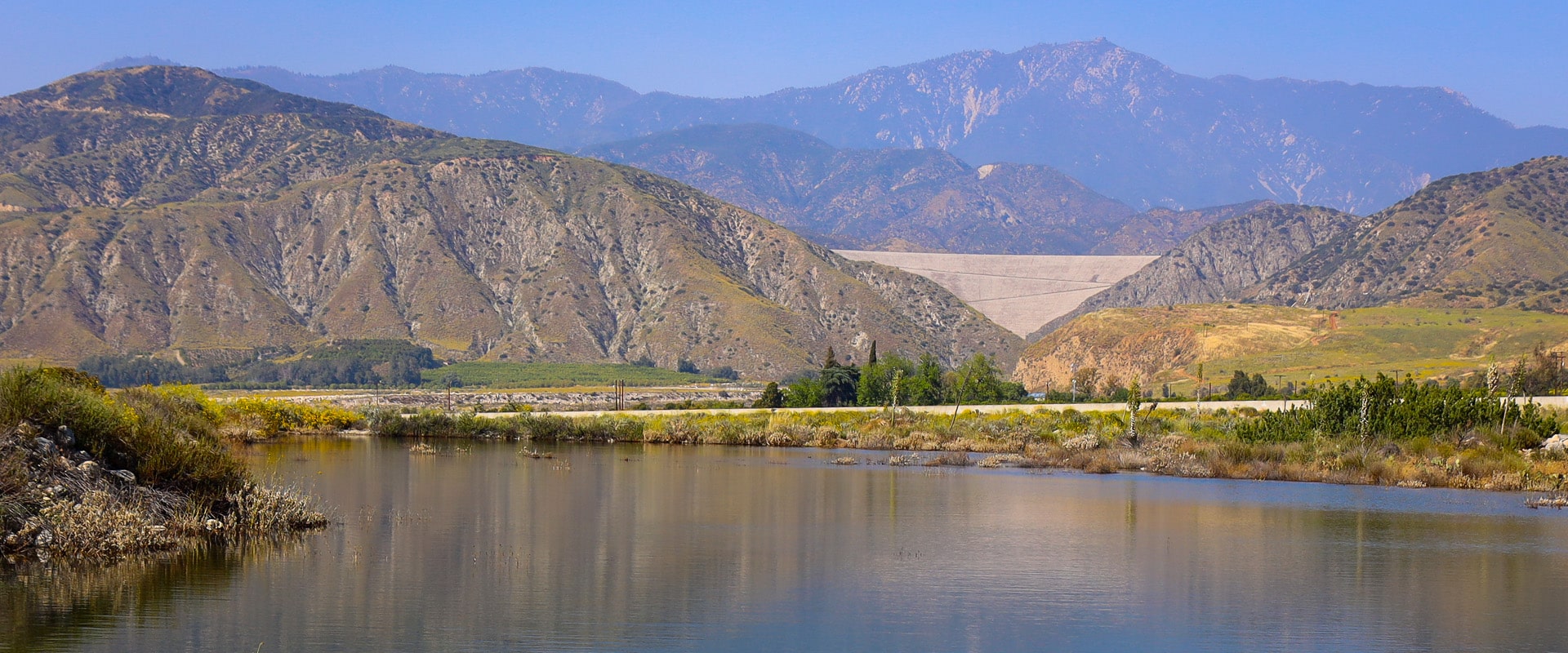
The groundwater basin functions within a larger landscape of rivers, washes, native plants, and wildlife. District lands include important habitat, and management practices reflect this connection. The Upper Santa Ana River Wash Habitat Conservation Plan provides a framework for construction, maintenance, and restoration that supports species while allowing vital water work to proceed.

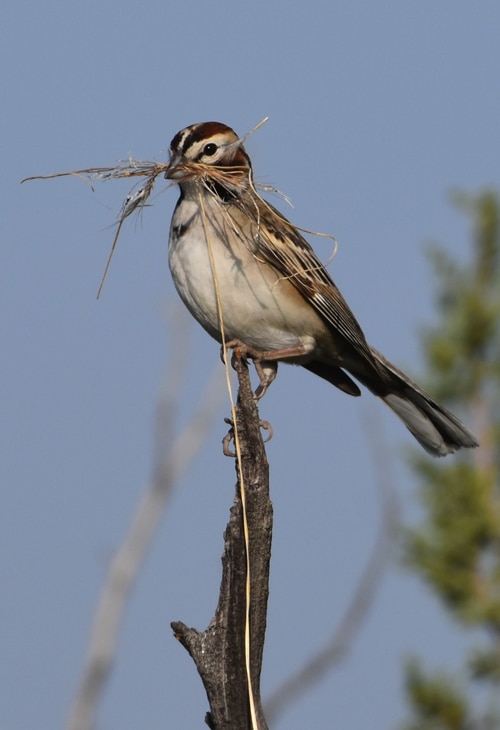
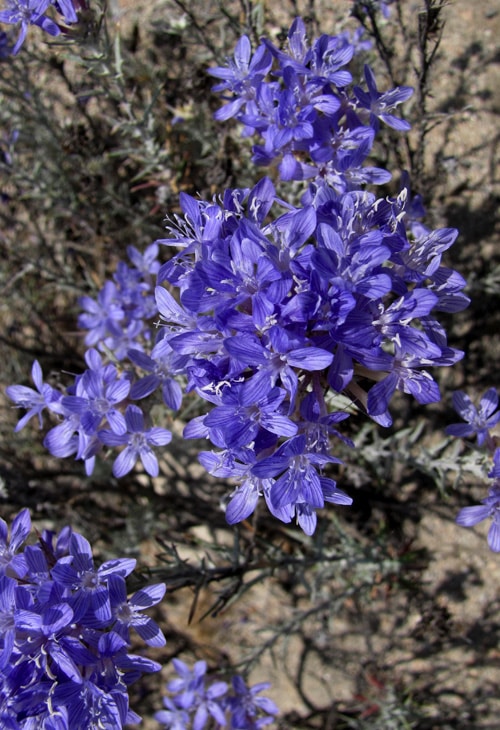
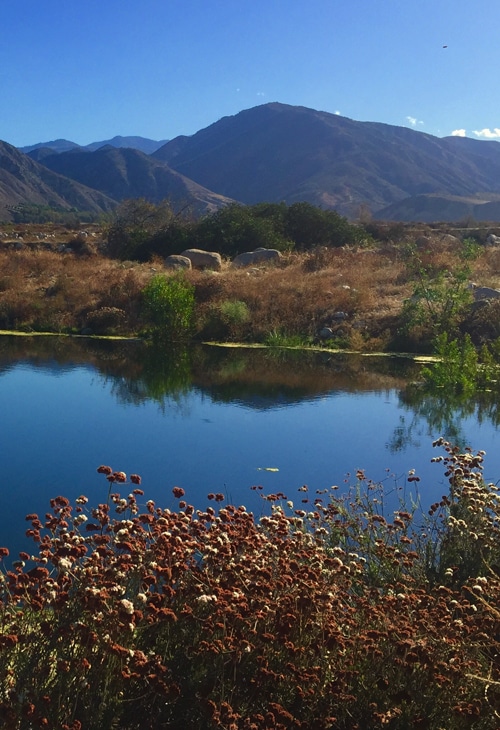
Field crews coordinate with biologists to time activities around sensitive periods. Invasive plants are removed to protect native communities that stabilize soils and improve infiltration. Trails and public access are planned carefully with partner agencies to respect habitat and safety. Basin health benefits when land and water are managed as one system.
Monitoring for the Future
Reliable decisions depend on good data. The District tracks groundwater levels, recharge volumes, sediment conditions in basins, and water quality trends. Staff maintain gauges, compile daily flow reports, and contribute to regional studies. These measurements inform operations during storms and guide maintenance schedules during dry periods. Results are shared with partner agencies to support compliance with state requirements and to coordinate future investments.
Continuous monitoring also helps evaluate new methods so the most effective practices become standard across the system. The outcome is a feedback loop where science shapes operations and operations generate better science.
Enduring Care
Basin health grows from steady actions carried out over many seasons. Recharge, land stewardship, cooperative accounting, and habitat work reinforce one another. Projects are designed, built, and operated with clear objectives and measurements that track progress. When conditions change, plans are adjusted and shared with partners and the public.
This approach has kept local groundwater reliable through cycles of flood and drought. It also builds community trust, since results are visible in replenished aquifers, stable facilities, and landscapes that continue to support life. The District’s role is to keep this care consistent and visible across the years.