
Upper Santa Ana River Wash Habitat Conservation Plan
A Model of Collaboration
The Upper Santa Ana River Wash Habitat Conservation Plan represents more than twenty years of coordination among local, state, and federal partners. Developed through the Wash Plan Task Force, it creates a unified framework for managing activities within the Wash while protecting the natural resources that define it.
The plan authorizes and guides essential work across the Wash, including water conservation, wells and infrastructure, aggregate mining, transportation, flood control, agriculture, trails, and habitat restoration. It serves as both a permit and a management tool, aligning environmental protection with the continued operation of vital public services. The process brought together agencies, scientists, and community partners who recognized that the long-term health of the Wash depends on balance, planning, and shared responsibility.
Purpose
and Scope
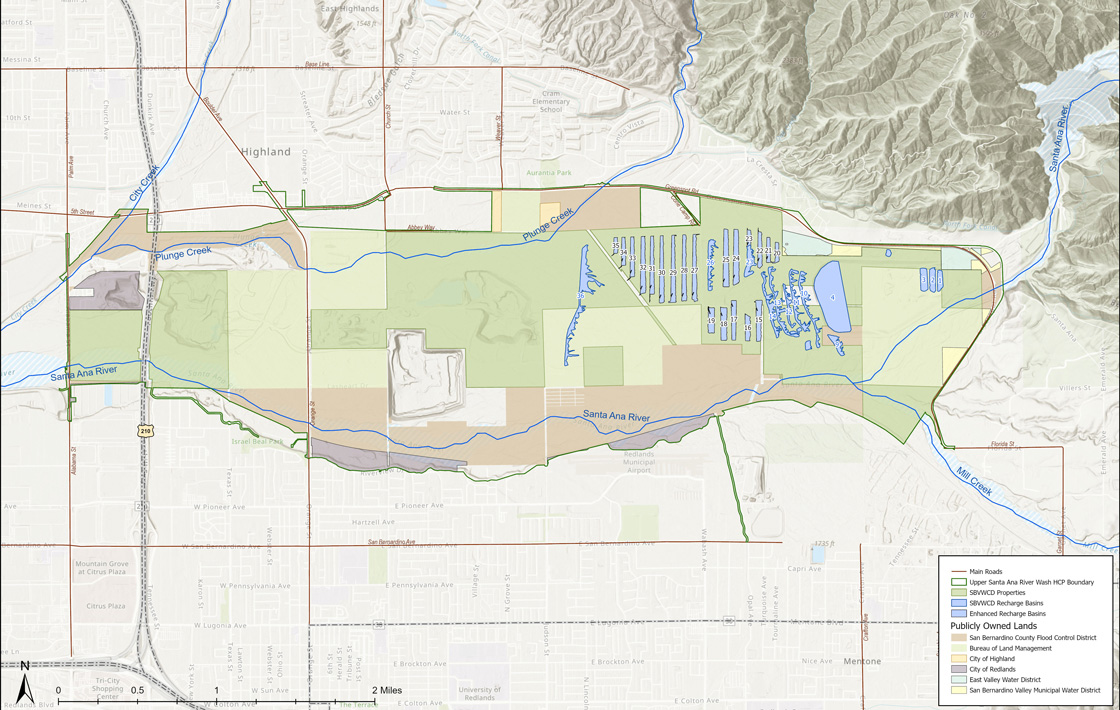
At its core, the Wash Plan establishes a method for coordinating construction, maintenance, and conservation within a single, integrated system. It covers more than 1,600 acres in the Upper Santa Ana River Wash, defining specific zones for habitat protection, mining, recharge, and recreation.
The plan’s primary goal is to preserve and enhance native habitat while allowing ongoing public works and water management. By identifying where and how activities can occur, the Wash Plan reduces conflicts between land uses and environmental needs. This clarity helps agencies secure necessary permits, maintain compliance with federal and state laws, and ensure that stewardship remains central to every action taken within the Wash.
Benefits and
Implementation

Creates a dedicated Preserve of 1,660 acres for rare, threatened, and endangered species, with funding for restoration, monitoring, and long-term management.

Defines areas where mining operations can continue safely, supporting regional employment and providing essential materials for infrastructure and construction.

Improves local water reliability by expanding opportunities for recharge in the Santa Ana River and Mill Creek.

Lays the foundation for a network of public trails that will allow residents to experience the landscape and learn about the science of stewardship in action.
-
Creates a dedicated Preserve of 1,660 acres for rare, threatened, and endangered species, with funding for restoration, monitoring, and long-term management.
-
Defines areas where mining operations can continue safely, supporting regional employment and providing essential materials for infrastructure and construction.
-
Improves local water reliability by expanding opportunities for recharge in the Santa Ana River and Mill Creek.
-
Lays the foundation for a network of public trails that will allow residents to experience the landscape and learn about the science of stewardship in action.
Protected Species
and Habitat
Protected Species
and Habitat
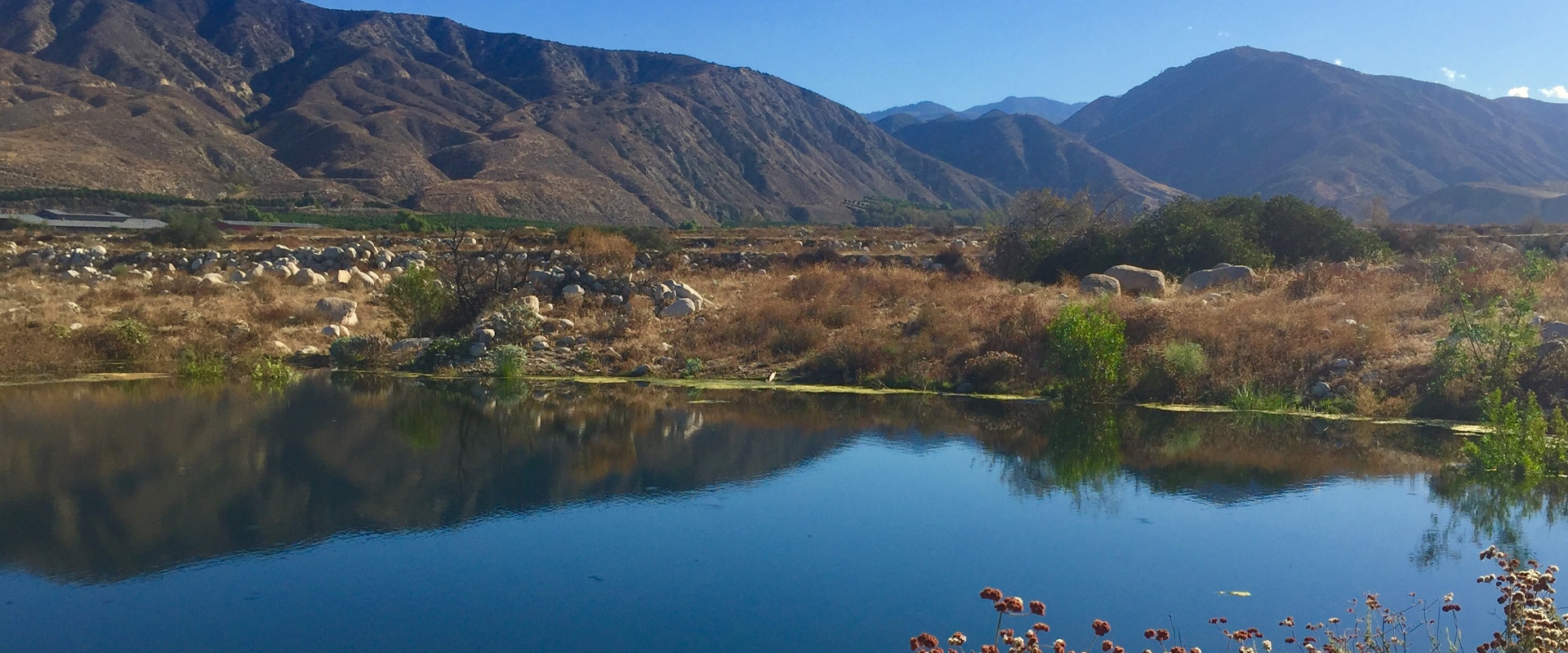
Through habitat restoration, vegetation management, and ongoing monitoring, the District and its partners ensure that these populations are supported for the long term.
Conservation in Practice
Implementation of the Wash Plan involves close coordination among the San Bernardino Valley Water Conservation District and its partners. Sixty-three projects have been identified for phased completion, each meeting specific environmental and operational standards. Activities comply with the Federal Endangered Species Act and related state regulations, ensuring that conservation and infrastructure proceed hand in hand.
The Wash Plan also serves as the foundation for obtaining other environmental approvals, simplifying future projects while maintaining rigorous oversight. Progress is documented through annual reports that summarize accomplishments, monitoring results, and habitat management activities. These reports are available to the public and demonstrate how planning translates into measurable outcomes for the landscape and the species that inhabit it.
Bureau of Land Management
CEMEX
City of Highland
City of Redlands
East Valley Water District
Robertson’s Ready Mix
San Bernardino County
San Bernardino County Flood Control District
San Bernardino Valley Municipal Water District
U.S. Fish & Wildlife Service

Ongoing Stewardship
The Wash Plan reflects a commitment that continues well beyond its initial approval. Management of the Preserve is supported by an endowment that funds monitoring and restoration in perpetuity. Field teams and biologists regularly review conditions, adapt practices as needed, and report findings to partner agencies.
This living plan demonstrates how science, collaboration, and accountability can coexist within one framework. The District’s leadership in this effort shows that effective stewardship is built on cooperation, transparency, and respect for the landscape. The Wash Plan remains a working model for how a region can protect its environment while supporting the community it serves.