Water Resiliency
Planning
Building a Foundation
for the Future
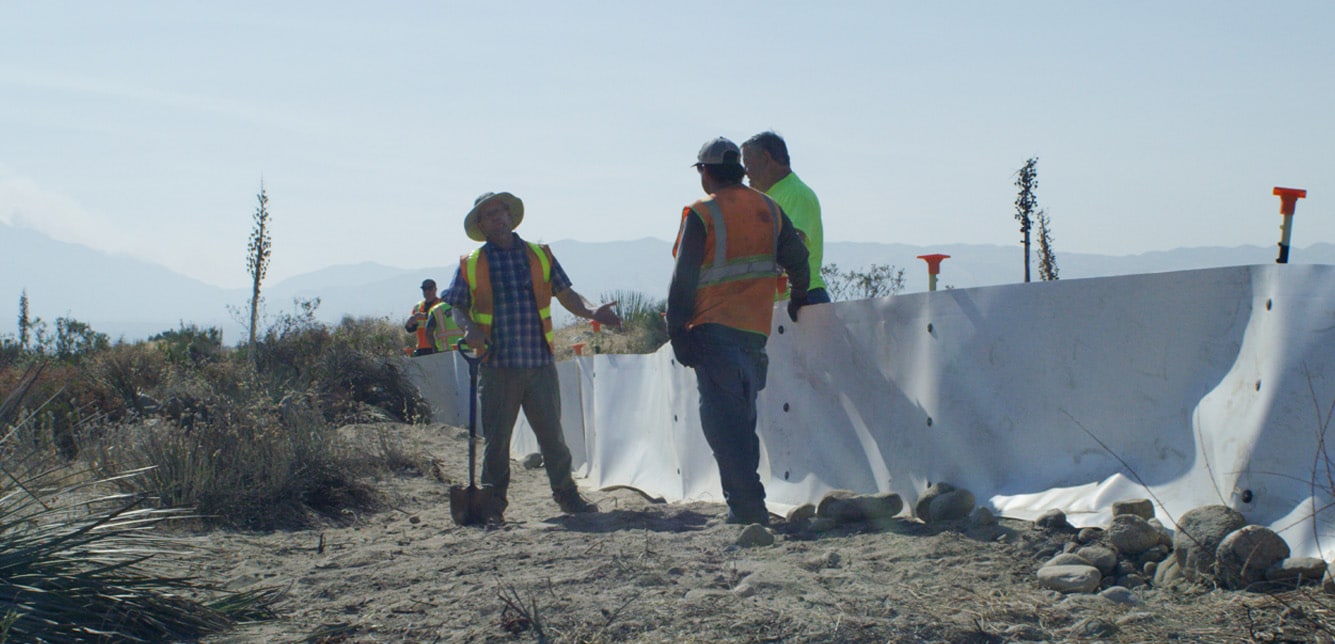
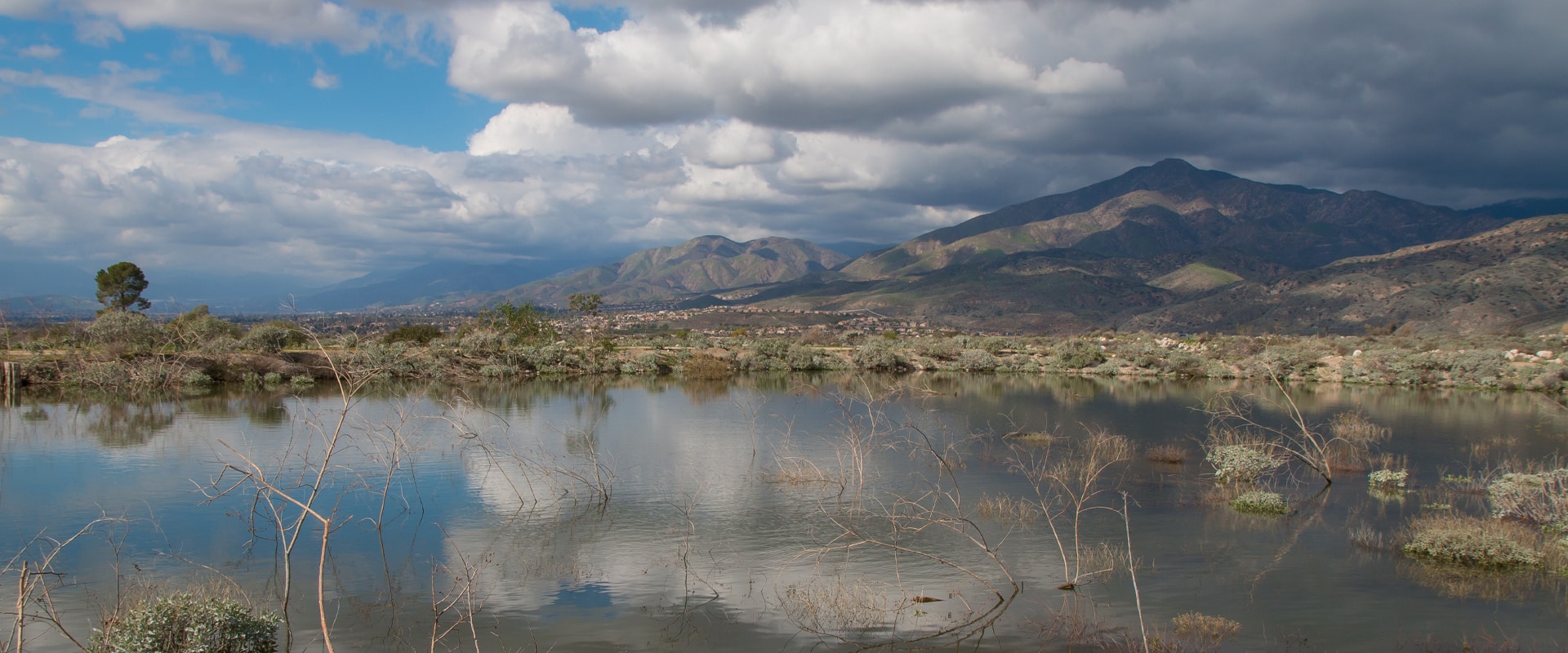
The San Bernardino Valley Water Conservation District has spent decades studying how water behaves in the Bunker Hill Basin and the Upper Santa Ana River watershed. This understanding guides every aspect of long-term planning. Water resiliency means anticipating what future generations will face and preparing through science, coordination, and practical investment.
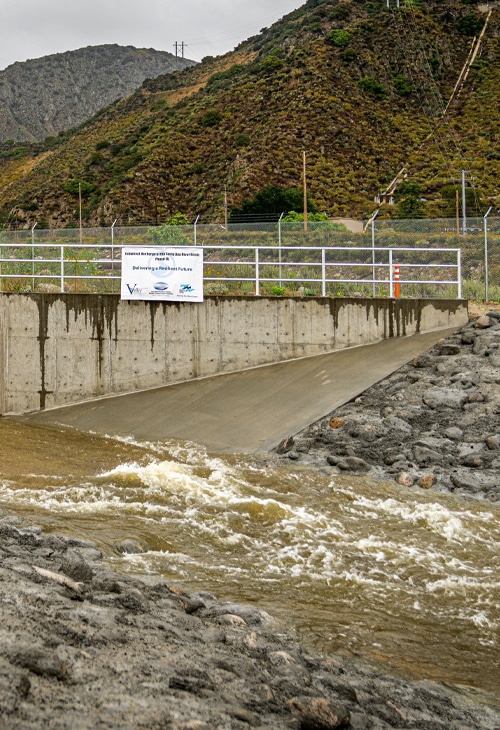
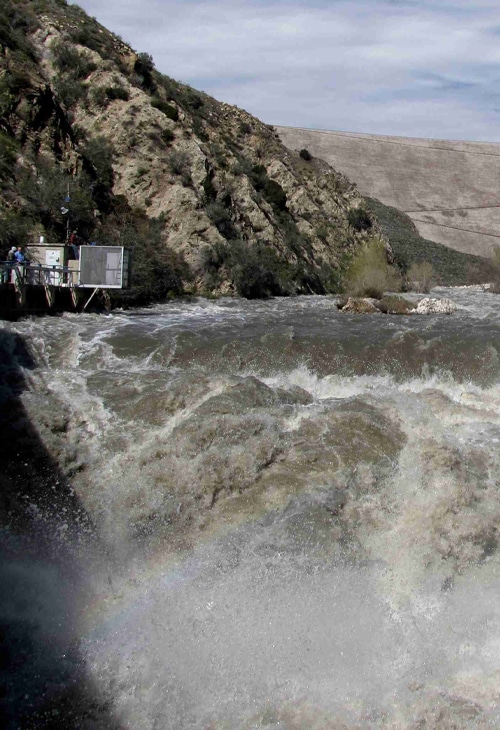
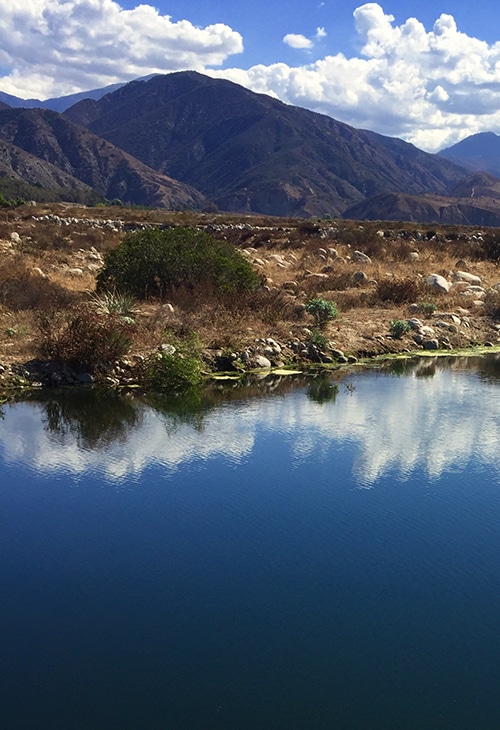
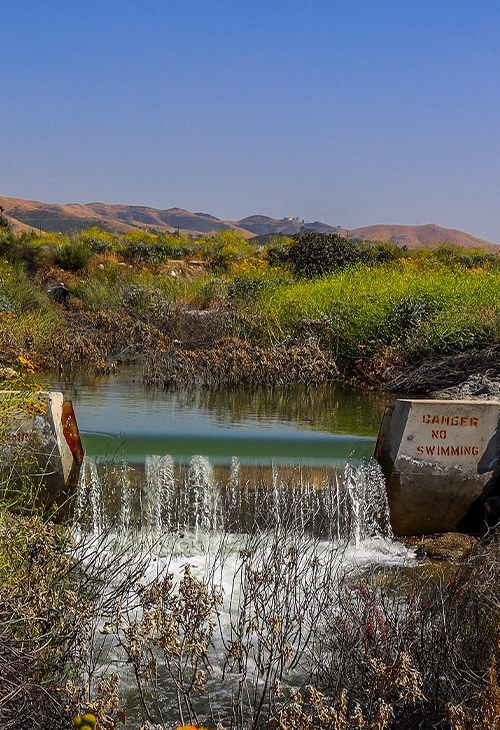
The District’s approach combines regional partnerships, engineering analysis, and habitat protection to strengthen local supplies. Annual Engineering Investigation Reports evaluate how much water is stored, produced, and replenished within the basin. The results help determine how resources are managed, where recharge can be increased, and how operations should evolve to support a changing climate and a growing community.
Planning with Science and Precision
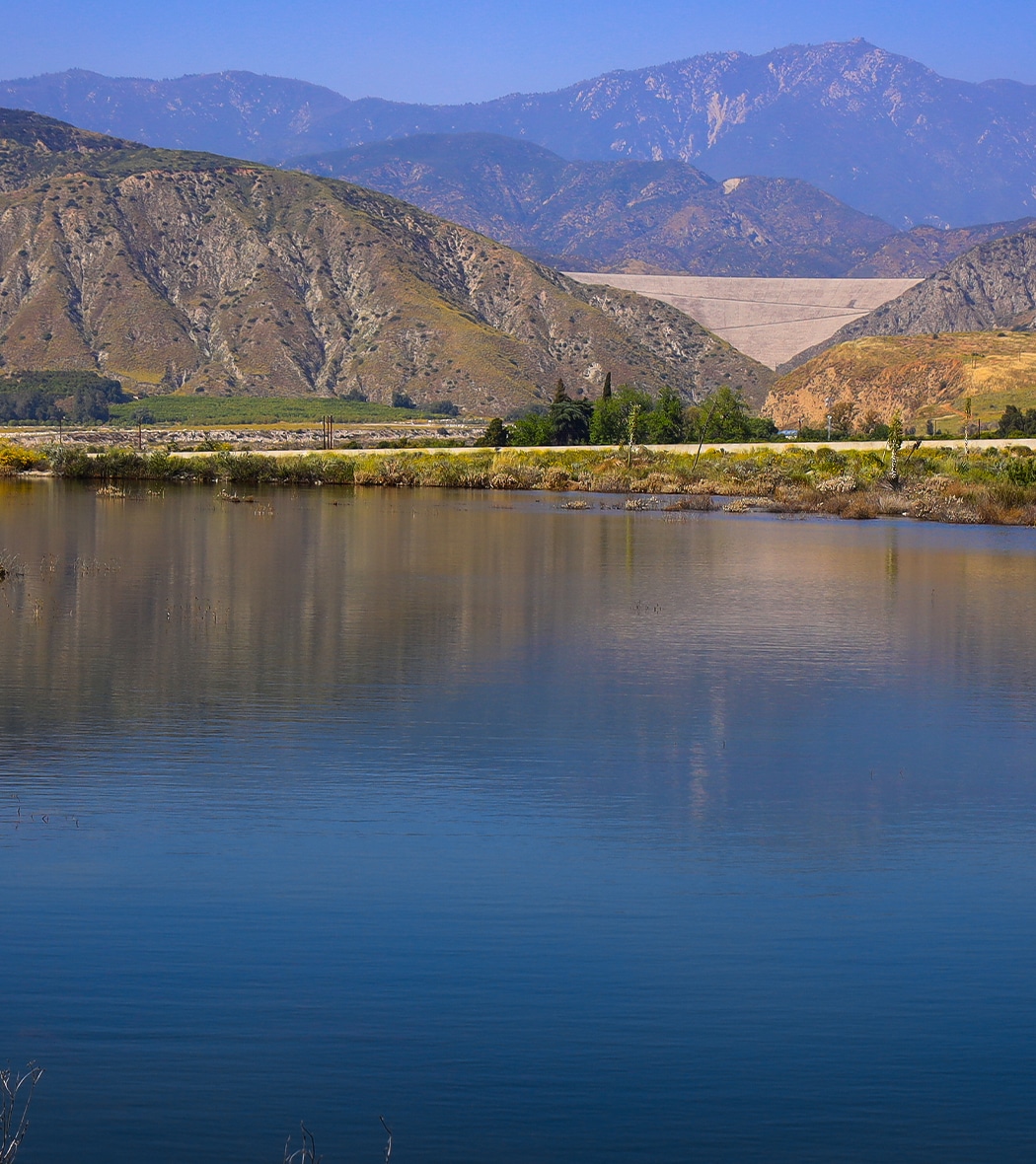
Each year, the District reviews basin data to identify patterns in recharge, storage, and water quality. The findings guide how projects are designed, maintained, and timed. The District invests in modern monitoring technology and collaborates with partner agencies to ensure that each project aligns with regional objectives and environmental standards.
Forecasting is central to this work. Hydrologic models estimate how rainfall, temperature, and groundwater extraction will influence future storage. These models are calibrated with decades of data, providing a clear picture of how local water systems respond to changing conditions. By connecting research with operations, the District ensures that planning remains evidence-based and adaptable.
Preparing
for a Variable Climate
The District’s planning recognizes that climate variability will continue to shape local water conditions. More frequent droughts, shorter wet seasons, and higher temperatures require systems that can capture, store, and distribute water efficiently. Long-term resiliency planning addresses these challenges through a combination of infrastructure upgrades, environmental restoration, and data-driven management.
Projects such as the Enhanced Recharge Agreement, Plunge Creek restoration, and the Wash Plan Preserve reflect this integrated approach. Each one improves groundwater reliability while supporting habitats that depend on periodic flooding. This coordination ensures that water supplies remain stable even as weather patterns become less predictable.
Collaboration and Transparency
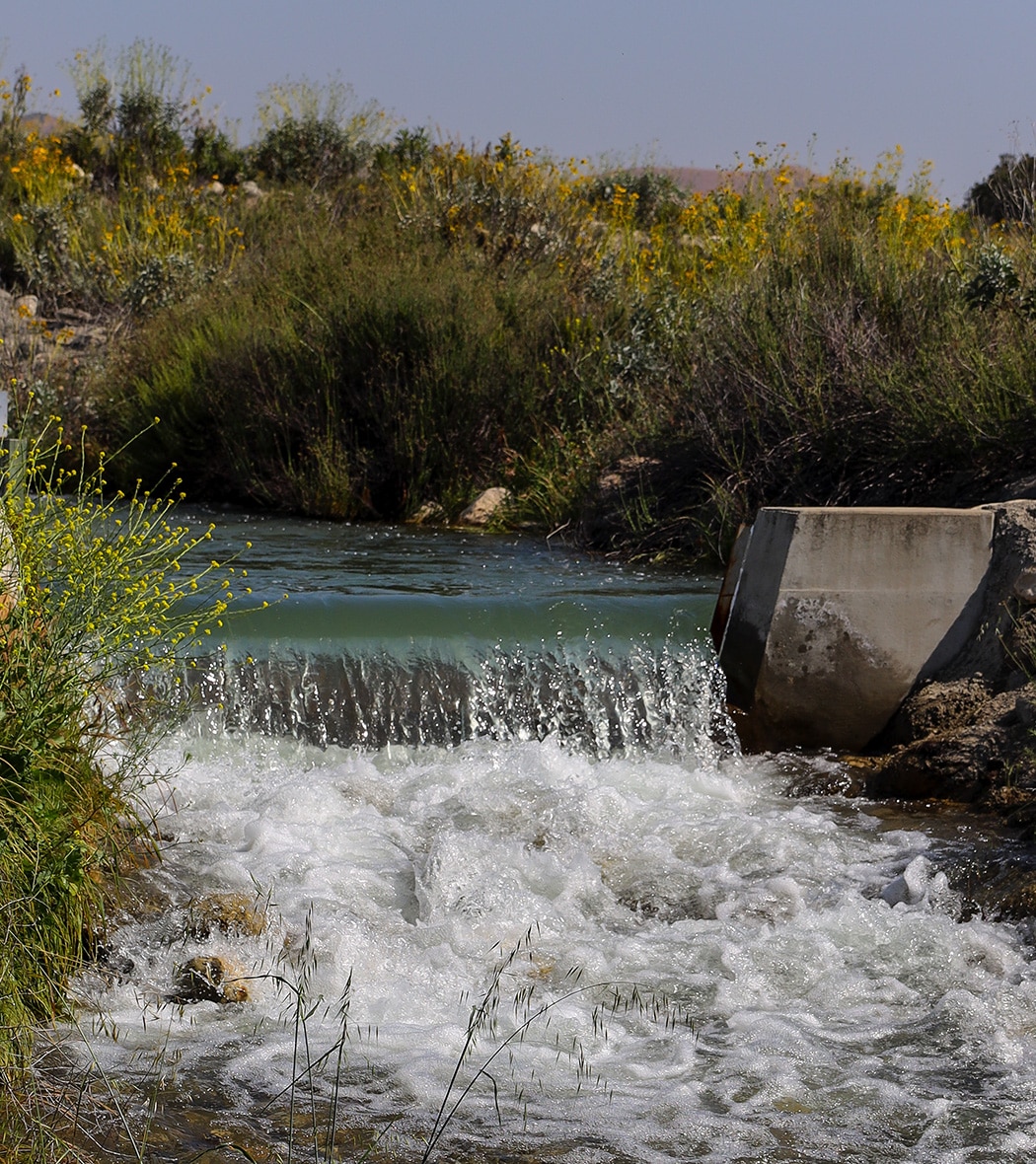
Resiliency depends on partnerships. The District works closely with neighboring agencies, cities, and regional organizations to align goals and share data. The Groundwater Council, Big Bear Watermaster, and Exchange Plan are examples of cooperative frameworks that improve resource management across the basin.
Transparency is central to this work. Public meetings, engineering reports, and open data resources keep community members informed about basin conditions and upcoming projects. This openness encourages participation and strengthens trust in how the District manages water on behalf of the region. Planning for the future remains an ongoing commitment to collaboration and accountability.

A Vision of Lasting Stewardship
Resiliency depends on partnerships. The District works closely with neighboring agencies, cities, and regional organizations to align goals and share data. The Groundwater Council, Big Bear Watermaster, and Exchange Plan are examples of cooperative frameworks that improve resource management across the basin.
Transparency is central to this work. Public meetings, engineering reports, and open data resources keep community members informed about basin conditions and upcoming projects. This openness encourages participation and strengthens trust in how the District manages water on behalf of the region. Planning for the future remains an ongoing commitment to collaboration and accountability.