Natural History Education
Learning from the Land
The San Bernardino Valley Water Conservation District manages a landscape shaped by water, geology, and time. Every basin, channel, and wash tells part of the region’s natural history. Through its work, the District provides opportunities for students, researchers, and residents to understand how water moves through the earth and supports both people and wildlife.
The District’s lands reveal how geology and ecology intersect. Centuries of alluvial deposits have formed layers of sand and gravel that help recharge groundwater. These same formations provide materials essential to local infrastructure and construction. Understanding this connection between natural systems and human use is central to the District’s approach to stewardship and education.
Responsible Resource Use
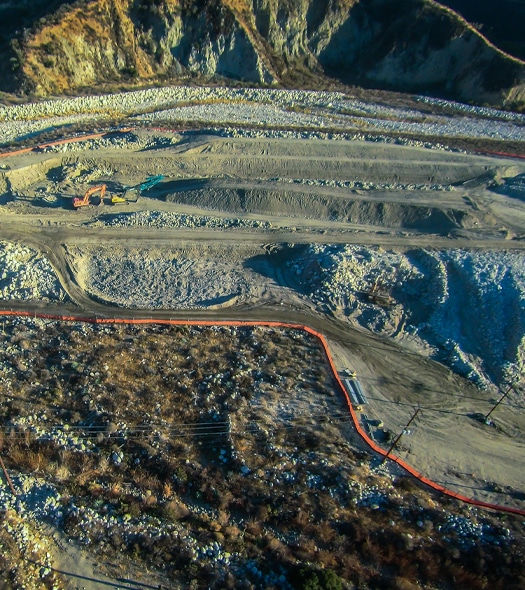
For more than sixty years, the District has authorized carefully managed mineral extraction on portions of its property. These activities support the regional economy while ensuring that recharge operations and habitat protection continue without interruption. The State of California recognizes these deposits as regionally significant, and the District’s management ensures they are used efficiently and responsibly.
Each year, millions of tons of aggregate from these areas contribute to construction projects across Southern California. The revenue generated supports ongoing water conservation, research, and land management efforts. This integration of economy and ecology reflects a practical, long-term approach to resource use that sustains both the community and the environment.
Habitats and Partnerships
District lands include important habitats for native species, from riparian woodlands to desert scrub. These areas provide refuge for sensitive and endangered species that depend on healthy ecosystems. The District works with partners such as the U.S. Bureau of Land Management, U.S. Fish and Wildlife Service, and California Department of Fish and Wildlife to maintain and restore these spaces.
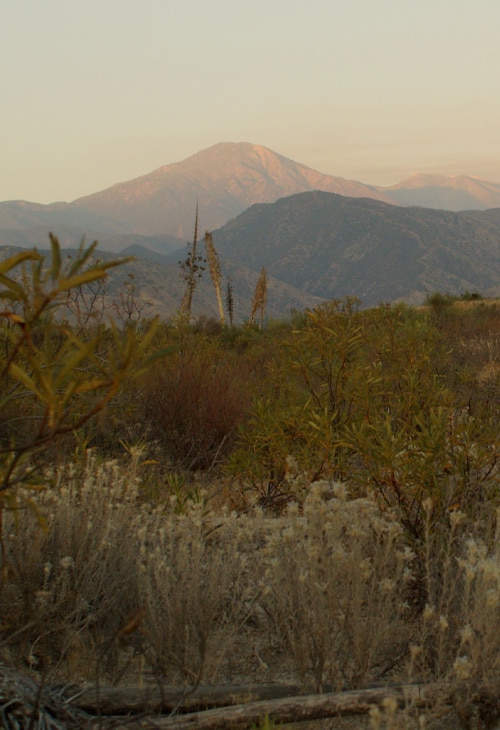
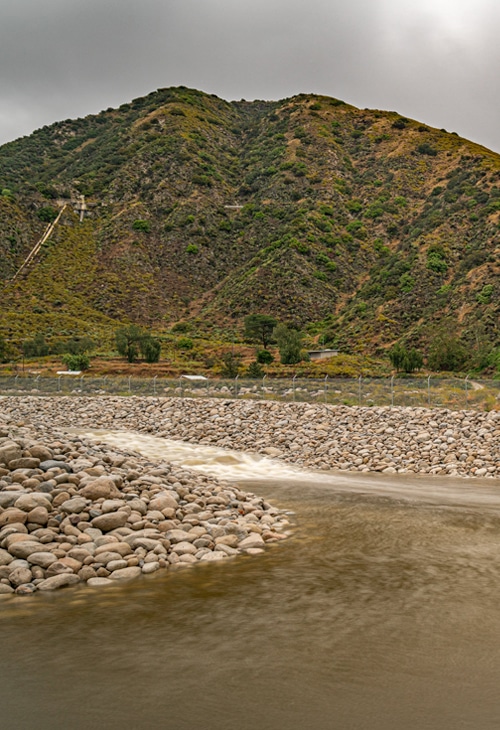
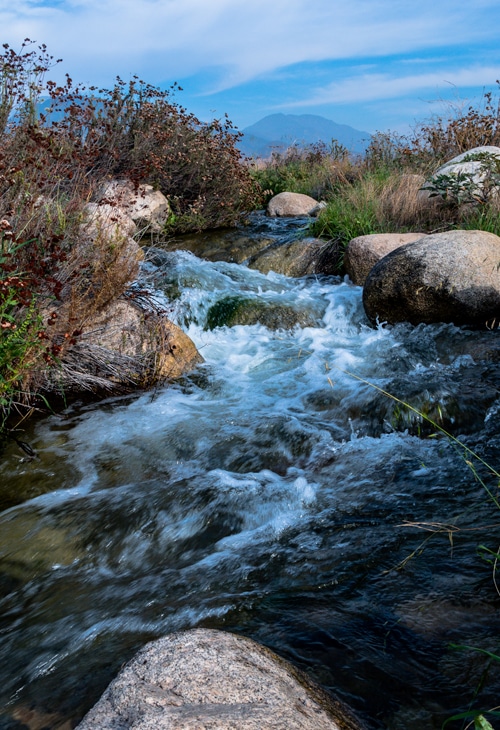
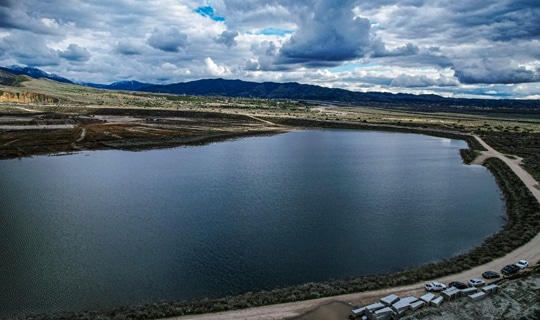
Collaborative management ensures that water conservation, flood protection, and habitat preservation function together. Field studies, restoration projects, and habitat monitoring efforts deepen understanding of how natural systems respond to care and attention. These partnerships form the basis of ongoing education that connects stewardship with scientific practice.

Natural history education ensures that the next generation inherits not only the land itself but also the wisdom to protect it.

Engaging the Community
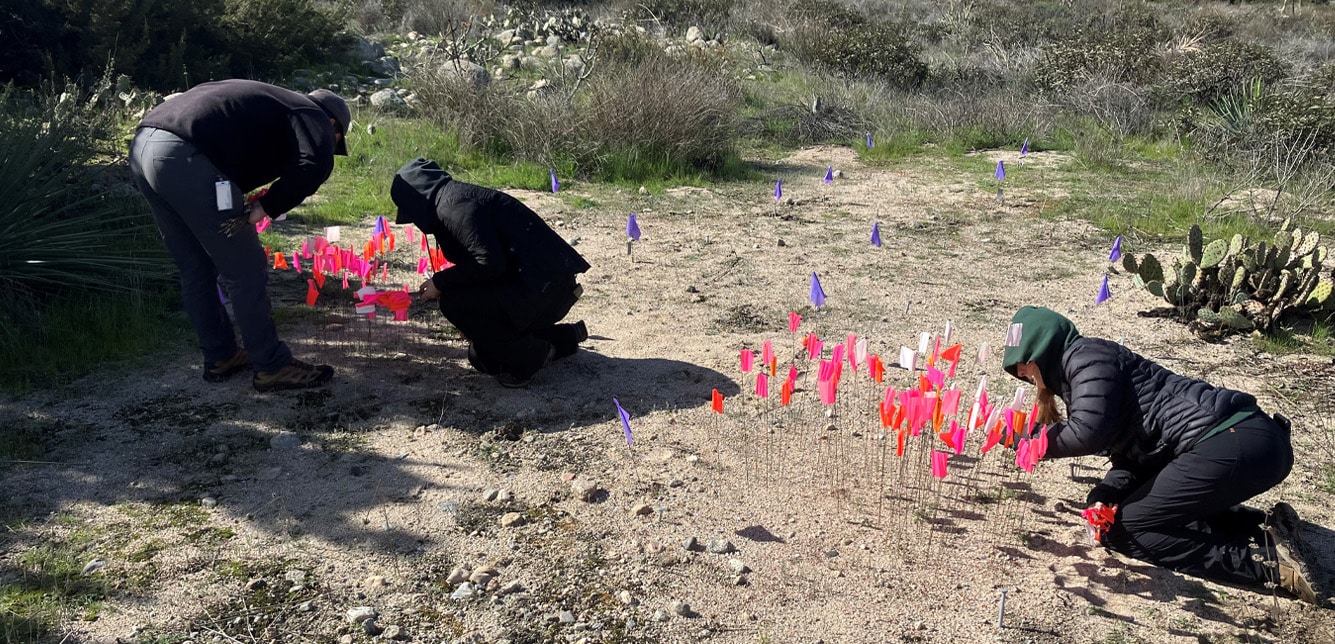
The District supports educational activities that help residents experience the Wash as a living classroom. Guided tours, volunteer restoration events, and interpretive materials allow participants to observe natural processes firsthand. These programs encourage curiosity and promote respect for the complex relationships that sustain water and life in the Valley. By linking scientific insight with public experience, the District fosters a culture of awareness and care. Each visit, workshop, and collaboration builds understanding that conservation is both a shared responsibility and a continuing source of knowledge.