
History
Rooted in
Stewardship
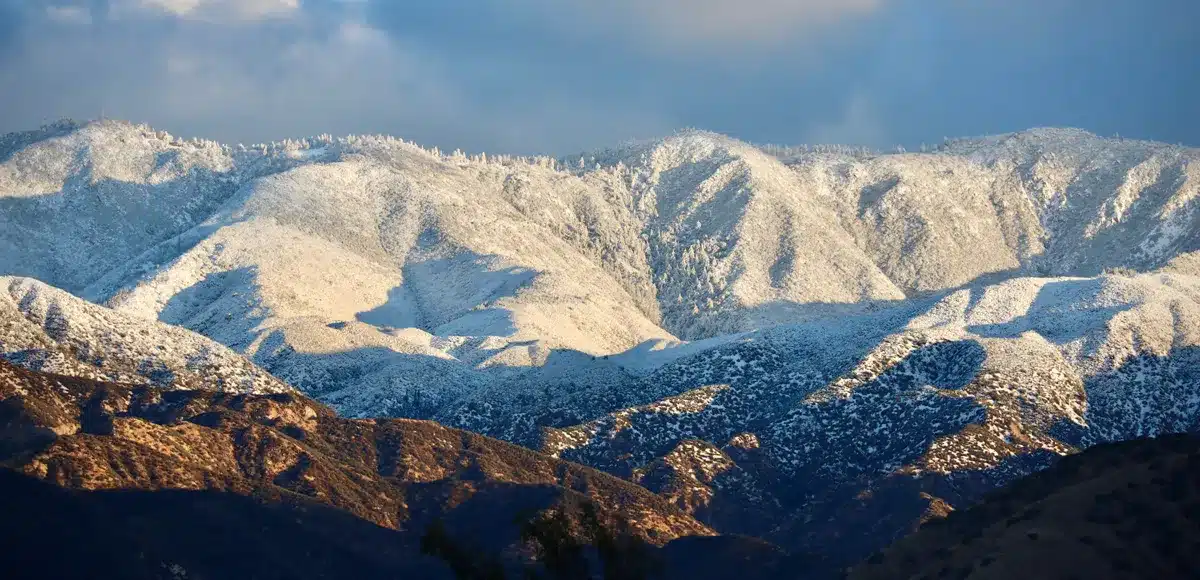
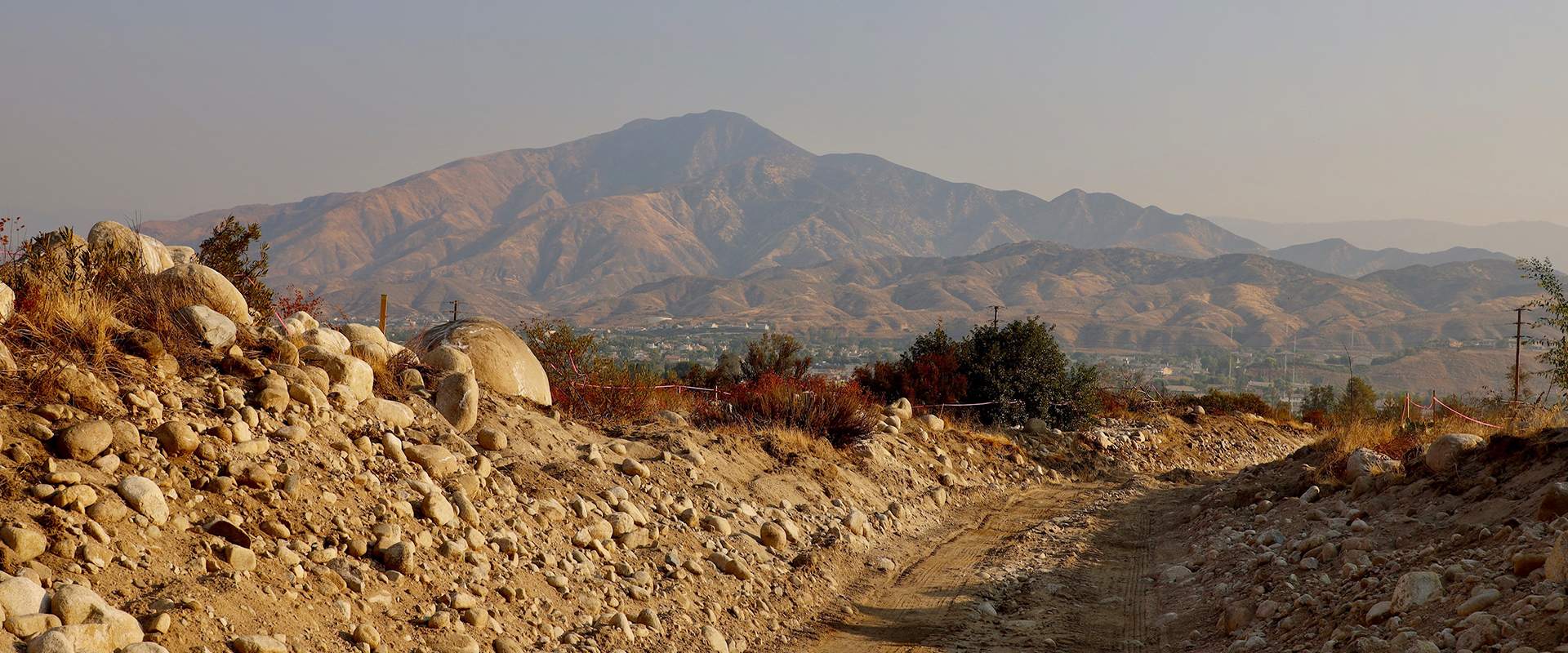
For more than a century, the San Bernardino Valley Water Conservation District has worked in quiet partnership with nature. Since 1932, the District has been entrusted with a singular responsibility: capture the water that descends from our mountains, return it to the aquifers below, and safeguard it for the generations who would follow. From that responsibility grew a broader calling to care for the places where water and life converge, and to protect both the resource and the landscape that sustains it.
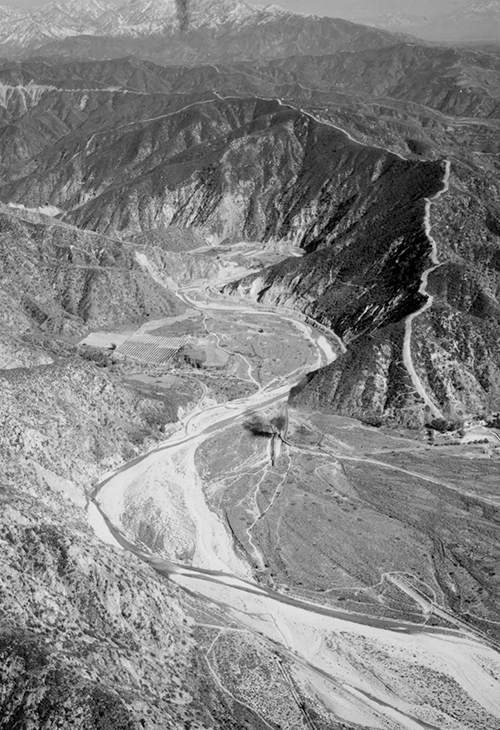
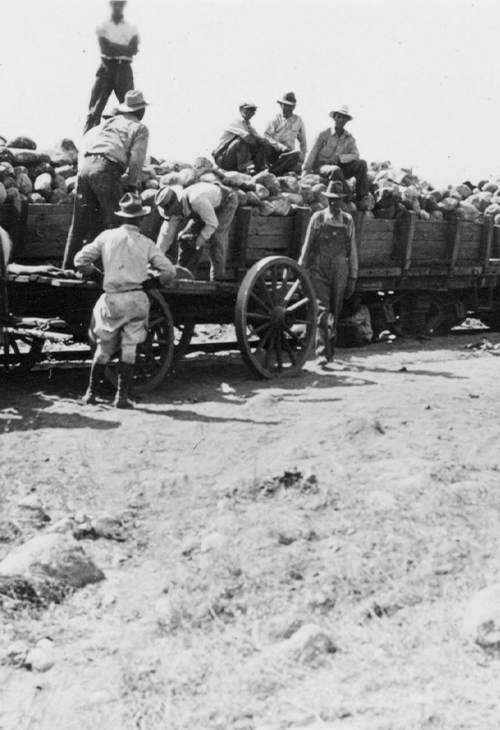
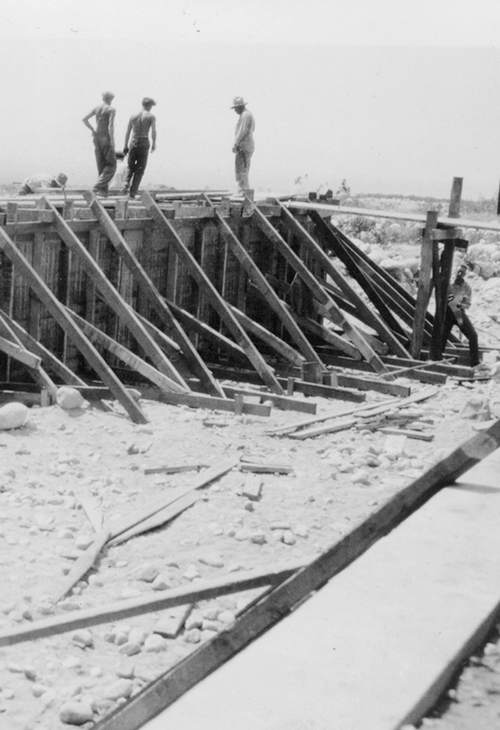
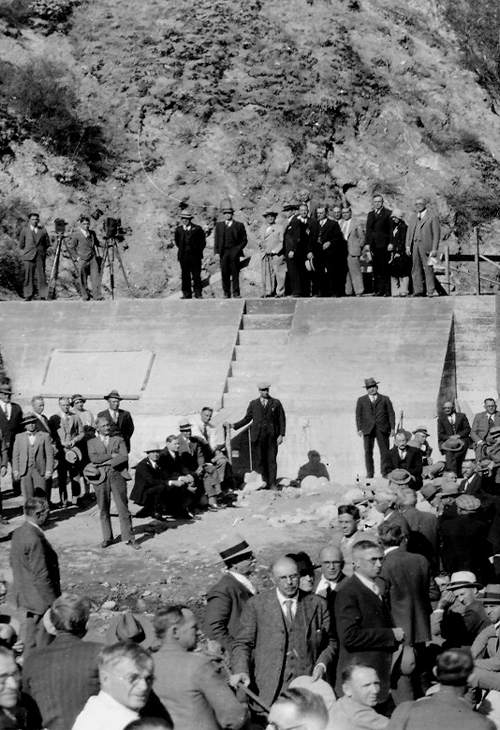
The District was born out of vision and leadership from local farmers, business owners, and civic leaders who saw that the region’s future depended on the ability to store water for dry years. They understood that aquifers beneath the Valley were the true lifeblood of the community, and that without stewardship, those supplies could vanish. Their foresight turned a natural challenge into a regional strength.

Timeline of Progress
1909
Vision for Water Security
After years of severe drought, local leaders create the Water Conservation Association to spread floodwater from the Santa Ana River and store it underground.
1923
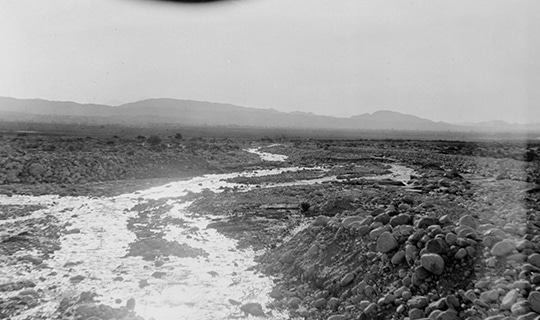
Record Year for Recharge
An astonishing 80,065 acre feet of water recharged – a record not surpassed until 2023.
1932
Founding the Future
San Bernardino Valley Water Conservation District forms under the Water Conservation Act.
1961
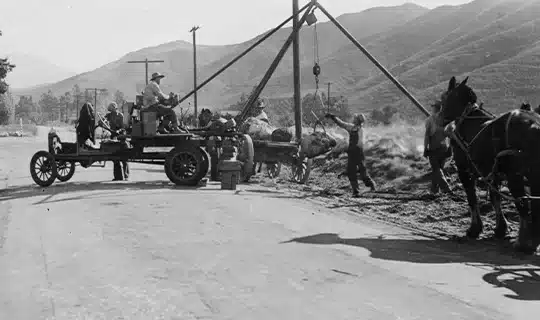
Regional Collaboration Expands Recharge
City of Redlands transfers Mill Creek spreading grounds to the District.
1993
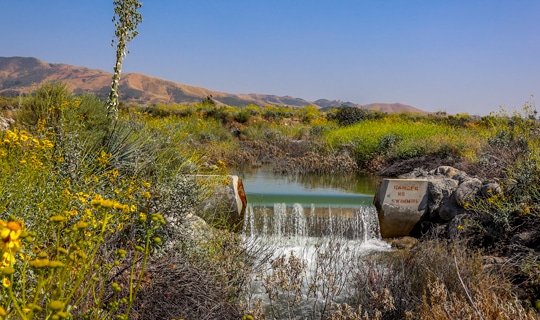
Conflict to Collaboration
Wash Committee formed to integrate needs for groundwater recharge, economic drivers, and habitat preservation.
2009
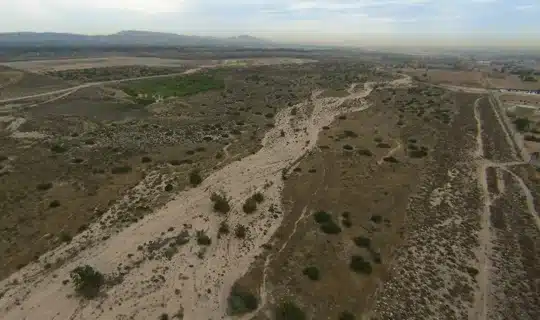
LAFCO Upholds District Mission
LAFCO recognizes SBVWCD’s unique contributions to the region, and rejects proposed consolidation.
Today
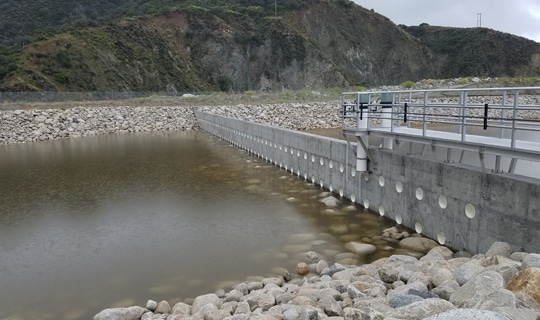
Plunge Creek Living Stream
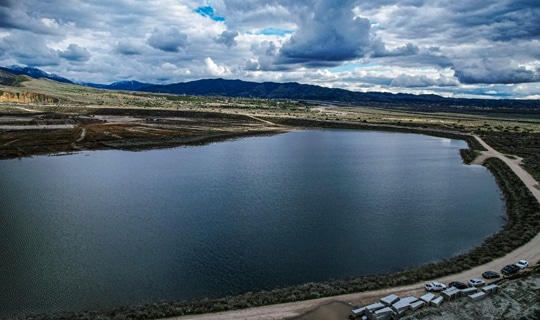
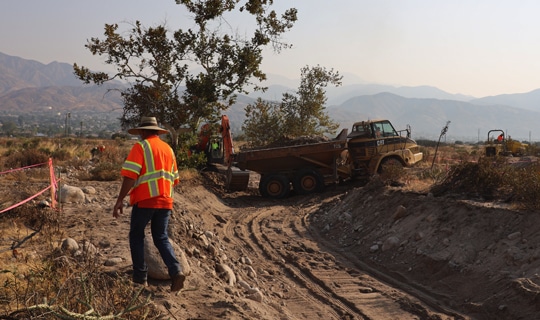
Projects such as the Plunge Creek Living Stream increase groundwater recharge, restore natural flows, create habitat, and protect native species, demonstrating how resource management and environmental health work in harmony.
Partnerships that Endure
The District’s history is defined by collaboration and shared purpose. For decades, water agencies, cities, educators, and community partners have worked together to meet challenges and sustain resources. The results are seen in replenished aquifers, restored habitats, and enduring partnerships that continue to protect the region’s water and natural balance for generations to come.